Ever wondered what happens when a police officer asks you to do a field sobriety test? DUI field sobriety test laws are more complex than most drivers think. Refusing a test can lead to serious legal problems that could change your life a lot.
Understanding your rights when asked to do a field sobriety test is hard. Drivers need to know their rights and the risks of saying no during a stop. The consequences can be big, affecting your driving rights now and in the future.
Police use these tests to see if you might be drunk. But not all tests are the same. Knowing the consequences of refusing a test can help avoid big legal problems.
Key Takeaways
- Field sobriety tests are not mandatory in all states
- Refusal can result in automatic license suspension
- Legal rights vary significantly by state
- Constitutional protections apply during traffic stops
- Consulting a legal professional is key
Understanding Field Sobriety Tests
Field sobriety tests help police check if a driver might be drunk. The National Highway Traffic Safety Administration says these tests show if someone is drunk at certain blood alcohol levels.
When police do these tests, they look at how well a driver moves and thinks. Knowing what police look for can help drivers understand these tests better.
Primary Field Sobriety Tests
Police use three main tests:
- Horizontal Gaze Nystagmus (HGN) Test
- Walk-and-Turn Test
- One-Leg Stand Test
Purpose of Field Sobriety Evaluations
These tests have several uses. They help police:
- Check if someone can move well
- See if someone can think clearly
- Find early signs of being drunk
Test Performance Factors
Many things can change how well someone does on these tests. This includes the weather, how healthy someone is, and how the police do the test. Because these tests are not perfect, many things can affect how they are done and what they mean.
Drivers should know that these tests are not always right. Good lawyers can question the results if there were mistakes or if health issues affected how well someone did.
Legal Basis for Refusal
Field sobriety tests can be tricky to understand. Knowing your legal rights during a field sobriety test is key. This helps protect you during traffic stops. The law gives you important rights.
The Fourth Amendment protects you from unfair searches. It also covers field sobriety tests. Experienced DUI lawyers say it’s vital to know these rights.
Constitutional Protection and Individual Rights
Field sobriety test laws vary by state. But, some rights are the same:
- You can say no to field sobriety tests
- Saying no can’t prove you’re guilty
- Police need a good reason to stop you
Consequences of Test Refusal
Refusing a field sobriety test is okay. But, there might be field sobriety test refusal penalties:
- Your license might get suspended
- Police might watch you more closely
- You could face other penalties
Different states handle test refusal differently. Some see it as a crime, others as a sign of possible drunk driving. Talking to a local lawyer can help you understand your state’s rules.
Potential Outcomes of Refusal
When you face a DUI stop, knowing what happens if you refuse a field sobriety test is key. Every choice you make can affect your future a lot.
Refusing a field sobriety test leads to a complex legal situation. It varies by place. Police have rules for when drivers say no to these tests.
Immediate Legal Consequences
The first effects of refusing a DUI stop field sobriety test are big:
- Potential automatic license suspension
- Increased likelihood of arrest
- Potential additional criminal charges
Impact on DUI Charges
Fighting DUI charges after refusing a test is harder. Courts might see your refusal as proof of guilt. This could make the prosecution’s case stronger.
| Refusal Scenario | Potential Consequences |
|---|---|
| First-time Refusal | 6-12 months license suspension |
| Repeat Refusal | Up to 2 years license suspension |
| Additional Criminal Charges | Increased legal penalties |
Influence on Officer’s Decision to Arrest
Declining a field sobriety test can make an officer more suspicious. About 80% of officers say they’d likely arrest someone who refuses, based on other signs of possible impairment.
Knowing these outcomes can help you decide wisely during a stressful stop. Getting legal advice is very important in these complex situations.
When It’s Safe to Refuse
Dealing with a traffic stop can be scary, with field sobriety tests adding to the stress. Knowing your rights and when to make big decisions is key to protecting yourself. Field sobriety test defense lawyers say being smart and informed is important.
Before deciding if you must take a field sobriety test, think about a few things:
- Your physical health and any medical issues
- If you’re clear-headed and understand what’s happening
- What the local traffic laws say
- The possible outcomes of saying no
Evaluating Your Condition
Checking how you’re feeling is very important. Certain medical conditions or disabilities might affect your ability to do field sobriety tests well. Feeling nervous, tired, or having physical problems can make you fail, even if you’re not drunk.
Knowing Your Rights
Even though beating a field sobriety test in court depends on your situation, knowing your basic rights is key. You usually have the right to:
- Stay silent
- Refuse field sobriety tests
- Ask for a lawyer
- Record the stop
Importance of Staying Calm
Keeping calm during a traffic stop can really help. Police watch how you act, and looking too nervous or upset might seem like you’re drunk. Speak kindly, move slowly, and act calm.
Field Sobriety Tests vs. Breathalyzer Tests
Dealing with alcohol tests at a traffic stop is tough. Knowing the difference between field sobriety tests and breathalyzer tests is key to protecting your rights.
Key Differences in Testing Methods
Field sobriety tests and breathalyzer tests are used for different things. Field sobriety tests check how well you move and think. Breathalyzer tests measure how much alcohol is in your blood.
- Field sobriety tests involve physical challenges
- Breathalyzer tests measure precise alcohol levels
- Officer judgment plays a significant role in field tests
Legal Implications of Each Test
Breathalyzer tests and field sobriety tests have different legal meanings. Breathalyzer tests are often required by law. Refusing one can lead to serious penalties.
| Test Type | Accuracy | Legal Consequences |
|---|---|---|
| Field Sobriety Test | Subjective | No automatic penalties |
| Breathalyzer Test | Quantitative | License suspension possible |
When You Can Refuse Each Test
Knowing your rights with field sobriety and breathalyzer tests is vital. Field sobriety tests are usually optional. But, refusing a breathalyzer can have big consequences.
- Potential license suspension
- Impact on possible DUI charges
- State-specific legal consequences
Important Note: Always talk to a lawyer to know your rights and possible penalties in your state.
Alternative Tests Law Enforcement May Offer
When standard field sobriety tests don’t work, police use other ways to check if a driver is drunk. DUI laws allow for many tests, not just the ones done on the road.
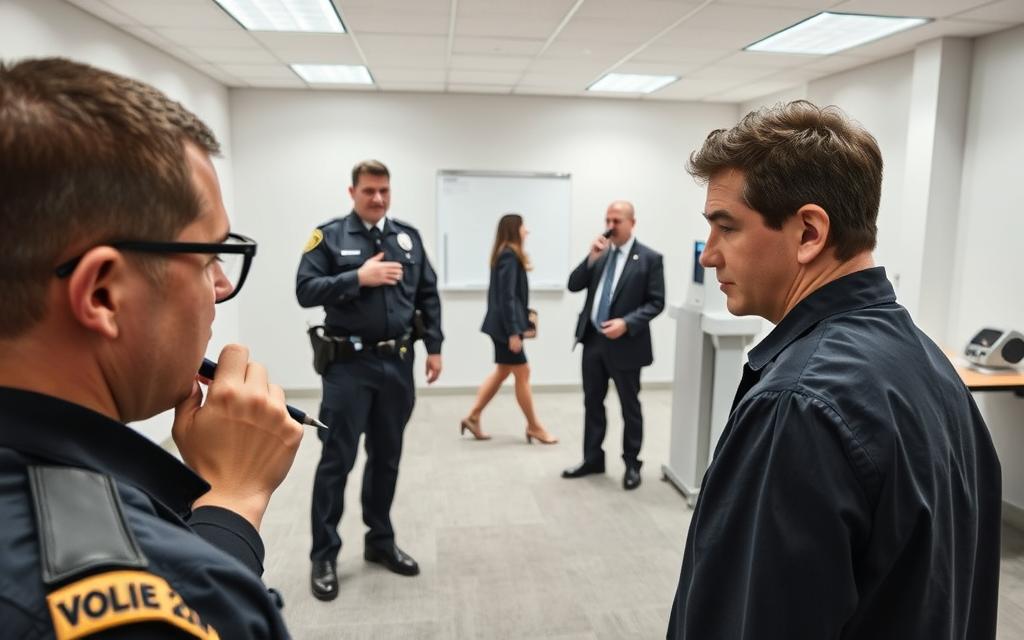
How well field sobriety tests work can change a lot. Police often use two main other tests to see if someone is drunk:
Blood Tests: Precise Chemical Analysis
Blood tests are the most accurate way to check how much alcohol is in your blood. These tests:
- Directly measure alcohol content in the bloodstream
- Require professional medical administration
- Typically performed at a hospital or medical facility
- Offer scientifically verifiable results
Urine Tests: Broad Substance Detection
Urine tests check for many substances, including drugs and alcohol. Laws about these tests vary by state.
Urine tests have some key points:
- Detect substances beyond alcohol
- Less invasive than blood draws
- Can show recent drug use
- Not as precise as blood tests
Comparative Accuracy of Testing Methods
Field sobriety tests check how well you can do physical tasks. But blood and urine tests give scientific proof. The National Highway Traffic Safety Administration says chemical tests are the best way to know if someone is impaired.
Importance of Legal Representation
Dealing with a DUI stop is tough, and field sobriety tests make it harder. Lawyers who specialize in these tests are key. They help protect your rights and guide you through tough times.
Knowing how to fight a field sobriety test is very important when you’re facing DUI charges. Lawyers help by looking at your case closely. They find weak spots in the evidence against you.
Seeking Professional Legal Guidance
A good lawyer can explain the field sobriety test legal defense in detail. They look at:
- The details of your traffic stop
- Any mistakes in how the test was done
- Medical issues that might affect your test results
- Any legal mistakes made during your arrest
Strategic Approaches to DUI Stops
Lawyers suggest smart ways to handle DUI stops:
- Stay calm and be polite
- Don’t say anything that could hurt you
- Ask to talk to a lawyer right away
- Write down everything that happens
Protecting Your Legal Rights
Challenging field sobriety test results needs a pro’s help. Lawyers check if the tests are reliable. The U.S. Department of Transportation says they’re only 66-75% right.
Lawyers know that things like being nervous or taking medicine can mess up your test. Remember, getting a lawyer is not just about defending yourself. It’s about keeping your future safe and making sure you’re treated fairly.
Factors That Affect Test Results
Field sobriety test results can be affected by many things. Knowing these can help people facing DUI charges.
Police officers look at many things when doing field sobriety tests. They check how well a person does and their physical and mental state.
Environmental Challenges
Things outside can really affect how well someone does on the test. Things like bad roads, not enough light, and weather can make it hard.
- Uneven or slippery surfaces
- Poor lighting conditions
- Extreme temperature variations
- Distracting roadside environments
Physical Health Considerations
Medical issues can also change how well someone does on the test. Some health problems might make it seem like someone is drunk, even if they’re not.
- Inner ear disorders affecting balance
- Neurological conditions
- Leg or back injuries
- Medication side effects
Psychological Factors
How someone feels can also affect their test results. Feeling stressed or nervous can make it hard to do the test right.
Knowing these things is key when fighting DUI charges. Lawyers can use these points to question the test’s accuracy.
Note: Each factor potentially represents a legitimate defense strategy in challenging field sobriety test results.
Being Prepared for a DUI Stop
Knowing what to do during a DUI stop is key. It’s important to stay calm and know your rights. This knowledge is your best defense. Always remember, you have the right to remain silent and to ask for an attorney.
What to Do When Pulled Over
Here’s what to do if a police car pulls you over:
- Pull over safely and smoothly
- Keep your hands visible on the steering wheel
- Remain calm and avoid sudden movements
- Be polite but protect your legal rights
Strategic Steps If You’ve Been Drinking
Knowing how to handle a field sobriety test is important. Here are some tips:
- You have the right to remain silent
- Do not voluntarily disclose information about your drinking
- Politely decline field sobriety tests
- Request to speak with an attorney
Importance of Knowledge and Preparedness
Field sobriety test laws vary by state. Being prepared is your best defense. Know your local laws and understand the risks of refusing tests.
| Action | Potential Consequence |
|---|---|
| Refusing Field Sobriety Test | Possible License Suspension |
| Voluntary Compliance | Potential Self-Incrimination |
| Requesting Attorney | Legal Protection |
Always put your legal rights first. If you’re stopped for DUI, get legal help right away.
Myths About Field Sobriety Tests
Field sobriety tests are filled with myths that confuse drivers. Knowing the truth is key to protecting your rights.

Many think these tests are always right. But, many things can change how accurate they are.
Common Misconceptions Debunked
- Field sobriety tests are 100% accurate
- Refusing a test automatically means you’re guilty
- These tests are mandatory in all situations
- Officers always interpret tests objectively
Truth vs. Fiction
The National Highway Traffic Safety Administration has three main field sobriety tests. Officers look at many things when they do these tests.
| Myth | Reality |
|---|---|
| Tests are mandatory | Tests are voluntary in many states |
| Tests are always reliable | Approximately 30% of tests can produce false positives |
| Failing means automatic arrest | Additional evidence is typically required |
The Real Purpose Behind the Tests
Field sobriety tests aim to give probable cause for more checks, not to prove you’re drunk. Stress, health issues, and uneven ground can mess up your score.
Knowing this can help you make better choices during stops. It also helps protect your rights.
Real-Life Implications
Field sobriety tests are complex. They have big effects on people who don’t take them. Real stories show the tough legal battles around refusing a field sobriety test consequences.
Legal experts share key tips on defending against field sobriety tests. Refusing to take a test can lead to big problems:
- Automatic license suspension for up to one year
- Potential criminal trial evidence against the driver
- Increased scrutiny from law enforcement
Case Studies of Refusal
Refusal of sobriety test court cases show different results. Some people win by pointing out:
- Subjective nature of field sobriety tests
- Medical conditions affecting test performance
- Environmental factors impacting test accuracy
Expert Perspectives
Legal pros stress the need to know your rights during stops. Understanding the risks of refusing a test can change your legal outcome.
Individual Impact
Refusing a field sobriety test has big effects. It can lead to higher insurance, job troubles, and ongoing legal issues.
The Role of Police Officers
Police officers are key in finding drivers who might be drunk. They use field sobriety tests to do this. Knowing how they are trained and what they face helps us see how these tests work.
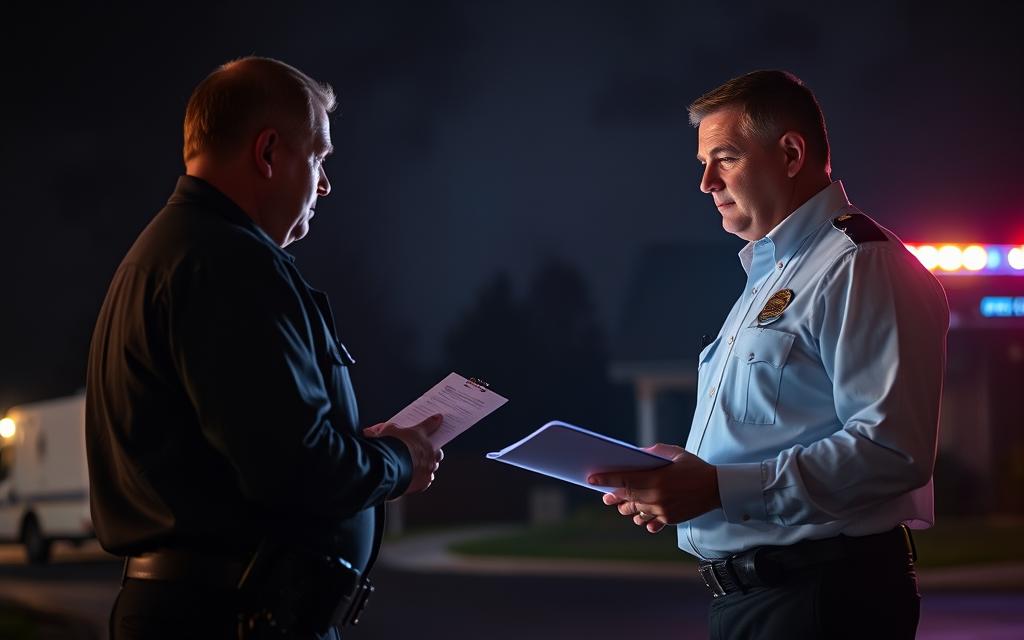
Training and Professional Protocol
Police get a lot of training to do field sobriety tests right. The National Highway Traffic Safety Administration (NHTSA) gives them rules to follow. These rules help make sure the tests are fair.
- Complete specialized training in roadside testing techniques
- Learn standardized observation methods
- Understand legal requirements for test administration
- Recognize signs of possible impairment
What Officers Look for During Testing
Officers watch for many things during field sobriety tests. They check balance, coordination, and if you can follow instructions. They also look at how your body and brain react.
- Physical coordination and motor skills
- Ability to comprehend and execute complex instructions
- Eye movement and tracking capabilities
- Speech patterns and clarity
Common Challenges in Test Administration
Even with a lot of training, officers can make mistakes. Things like the road, how well you can move, and how they see things can affect the test.
- Uneven road surfaces affecting balance tests
- Inadequate lighting conditions
- Personal physical limitations of the tested individual
- Potential bias or inconsistent evaluation standards
Knowing these challenges helps everyone understand the tests better.
Long-Term Consequences of DUI Charges
A DUI charge can change your life in big ways. It goes beyond just the legal trouble. Refusing a field sobriety test can affect many parts of your life.
It’s important to know how DUI laws can impact you. This knowledge helps you make smart choices during traffic stops.
Licensing Repercussions
DUI charges can limit your driving rights. In California, you might face:
- First-time offense license suspension
- Mandatory DUI education programs
- Potential restricted driving permits
- Longer license suspension for repeat offenses
Insurance Implications
Refusing a field sobriety test can lead to big insurance problems. Insurers might:
- Make your premiums much higher
- See you as a high-risk driver
- Cancel your policy
- Require expensive SR-22 insurance
Social and Employment Effects
DUI charges can also affect your job and personal life. Potential consequences include:
- Harder time finding a job
- Restrictions on professional licenses
- Challenges in background checks
- Potential social stigma and strained relationships
Dealing with these legal issues needs careful thought. You might need professional help to lessen the long-term effects.
Resources for Individuals Facing a DUI
Dealing with a DUI charge can feel really tough. But, there are many resources to help. Field sobriety test defense lawyers know how to handle these tough cases. They offer important support when you need it most.
Legal Aid Organizations
Many groups help with DUI charges. They can teach you how to fight a field sobriety test. They also help protect your rights:
- National Association of Criminal Defense Lawyers (NACDL)
- American Bar Association’s Criminal Justice Section
- State-specific legal aid clinics
- Local pro bono legal services
Support Groups and Hotlines
It’s important to have emotional support too. Here are some places to find it:
- MADD (Mothers Against Drunk Driving) Support Helpline
- Local DUI support groups
- Legal counseling hotlines
- Online support communities
Online Resources for Education
Learn more to help yourself. Check out these online resources:
- Legal information websites
- DUI defense educational portals
- State-specific legal resource centers
- Free webinars on DUI legal strategies
Getting help from field sobriety test defense lawyers is key. They can really help you deal with DUI charges.
How to Handle Field Sobriety Tests if Administered
Dealing with a field sobriety test can be tough. But knowing your rights and how to act can help a lot. Police use these tests to see if drivers are too drunk to drive. So, it’s key to know what they look for.
If you face a field sobriety test, stay calm. Here are some tips to help you:
- Stay polite and respectful to the law enforcement officer
- Speak clearly and avoid sudden movements
- Request to speak with an attorney if possible
- Document the entire interaction if you can
Performance Tips for Field Sobriety Tests
Some things can affect how well you do on these tests. Here are important things to think about:
- Medical conditions might affect balance or coordination
- Uneven terrain can complicate walking tests
- Nervousness can impact test results
- Wearing appropriate footwear is essential
Understanding Your Legal Rights
Field sobriety tests are usually optional. In many places, you can say no without getting in trouble right away. But saying no might make police more careful.
| Test Type | Accuracy Rate | Legal Implications |
|---|---|---|
| Horizontal Gaze Nystagmus | 77% | Considered most scientifically reliable |
| Walk and Turn | 68% | Can be challenged in court |
| One Leg Stand | 65% | Highly subjective test |
What to Say During Testing
If you decide to do the test, talk clearly to the officer. Tell them about any health issues that might make it hard for you. The goal is to protect your rights and be polite.
Conclusion: Making Informed Choices
Field sobriety tests are complex. Knowing your legal rights is key. Each choice you make can affect your future.
Refusing a field sobriety test doesn’t mean you won’t get arrested. Police can find other reasons to arrest you. Knowing your rights and local laws is important.
Refusing a test can lead to big problems. You might lose your license or face court. Talking to a DUI lawyer can help you understand your options.
Being prepared and knowing your rights is your best defense. Stay calm and know your rights. A good lawyer can help you through tough legal times.